
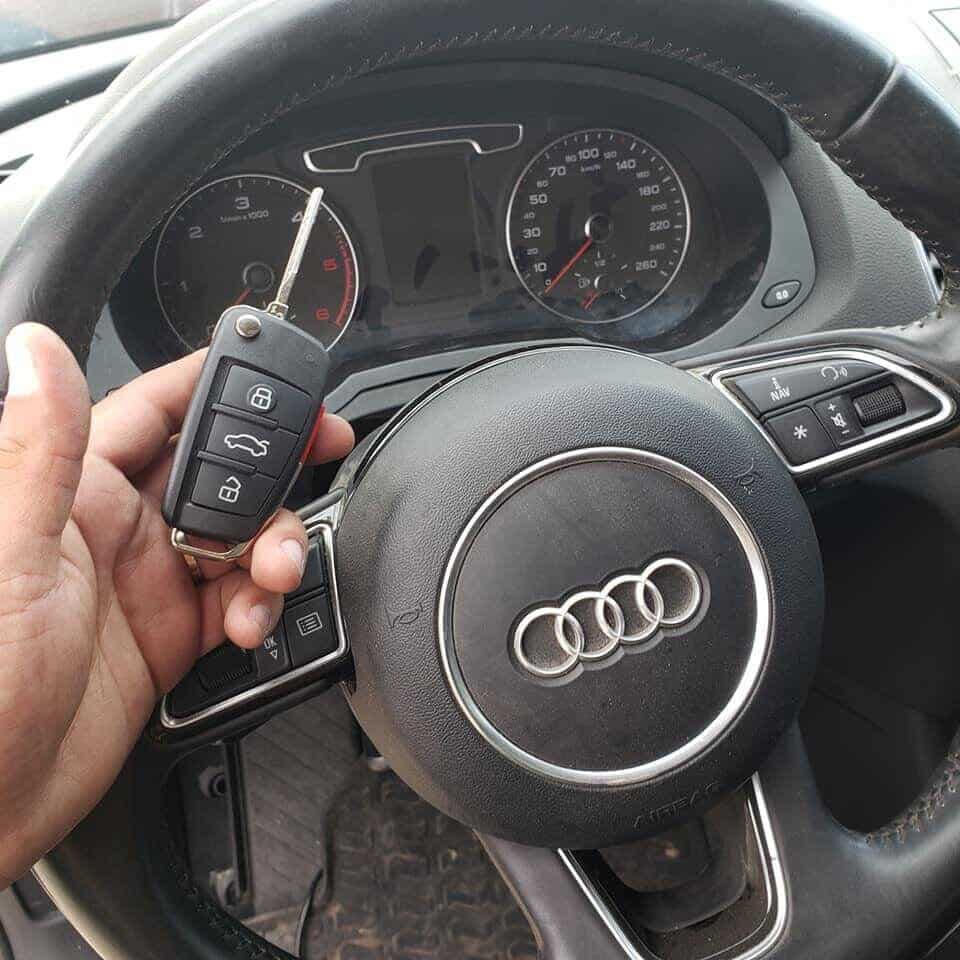
The most common types of car locks include manual door locks, power door locks, transponder key systems, remote keyless entry, smart key systems, child safety locks, and trunk locks.
Older vehicles usually depend more on mechanical locks, while newer vehicles use a mix of electronic locks, chips, remotes, and sensors. Each lock type can fail in a different way, so understanding the basics can help you know when the issue is simple and when you need an auto locksmith.
Most drivers do not think about their car locks until something goes wrong. The key stops turning. The fob does not respond. The rear door will not open from inside. The trunk stays stuck. Or worse, the driver is locked out and needs help right away.
This guide explains the most common types of car locks in simple terms, what can go wrong with each, and when Metro Locksmith can help. You can also reach the team directly at (703) 509-8600.
Why Car Locks Are Not All the Same
Car locks have changed a lot over the years. Older vehicles often used a simple metal key and a mechanical lock cylinder. You inserted the key, turned it, and the door unlocked.
Newer vehicles still may have a physical lock cylinder, but they often also include power locks, remote keyless entry, transponder chips, smart fobs, push-button start, and electronic control modules. In simple words, the lock is no longer just a piece of metal inside the door. It may be connected to the vehicle’s wiring, computer, alarm system, or ignition security system.
That is why one car lock issue may be easy to fix, while another may need key programming, fob replacement, or further vehicle repair. An auto locksmith can usually help with the lock and key side of the problem, but some electrical or latch issues may need a mechanic as well.
Manual Car Door Locks
Manual car door locks are the older, simpler style of vehicle lock. These locks use a physical key and a lock cylinder. When you turn the key, the cylinder moves the internal parts and unlocks the door.
You still find manual locks on many older cars and some basic vehicle models. Even on newer cars, there may be a hidden manual key slot that works as a backup if the key fob battery dies.
Manual locks are simple, but they can still create problems. Over time, the key can wear down, the lock cylinder can become stiff, or dirt can build up inside the lock. In colder weather, moisture can freeze inside the cylinder and stop the key from turning. If the driver forces the key, it can bend or break inside the lock.
If the key sticks, turns halfway, or feels rough every time you use it, get it checked before it fails completely. Don’t wait for a cold morning to find out the hard way.
For drivers dealing with stuck keys, broken key extraction, worn lock cylinders, or a lockout involving a manual lock, we offer auto locksmith services designed to address exactly these kinds of problems.
Power Door Locks
Power door locks are common in modern vehicles. Instead of manually pushing or pulling each lock, the driver can lock or unlock all doors using a button, remote, or central locking system.
These locks use an electric part inside the door, often called an actuator. When you press the lock button, the actuator moves the lock mechanism. This is why one button can control several doors at the same time.
Power locks are convenient, but they can fail in different ways. Sometimes one door stops responding while the others still work. Sometimes the lock makes a clicking sound but does not move. In other cases, the remote works sometimes and fails at other times.
Transponder Key Lock Systems
A transponder key looks like a normal car key at first, but it has a small chip inside. That chip communicates with the vehicle’s immobilizer system. The car must recognize the chip before the engine starts.
This system was designed to make vehicles harder to steal. Even if someone cuts a key that fits the ignition, the car may not start unless the chip is correct.
Transponder systems are useful, but they also make replacement more complex. A regular metal copy may open the door, but it may not start the engine. That is why drivers sometimes say, “The key turns, but the car will not start.” The issue may not be the key’s cut. It may be the chip or programming.
Common transponder key problems include lost keys, damaged chips, failed programming, or a vehicle that no longer recognizes the key. In these cases, a locksmith needs the tools to both cut and program the replacement correctly.
Remote Keyless Entry Systems
Remote keyless entry allows drivers to lock and unlock the vehicle using buttons on a remote or key fob. This system is common in many cars and is one of the most familiar types of car locks for modern drivers.
The remote sends a signal to the vehicle. If the car recognizes the signal, it locks or unlocks the doors. Some remotes also open the trunk, sound the panic alarm, or control other vehicle features.
When a remote stops working, many drivers assume the car lock is broken. That is not always true. The problem may be a dead fob battery, worn buttons, lost programming, damage inside the remote, or an issue with the car’s receiver.
Test the spare key or spare remote if you have one. If the spare works, the issue is likely with the original fob. If none of the remotes work, the problem likely lies with the vehicle’s system itself.
Smart Key and Push-Start Systems
Smart key systems are common in newer vehicles. With this type of system, the driver may not need to insert a key at all. The car detects the key fob nearby and allows the driver to unlock the door or start the engine with a button.
This system is convenient because the key can stay in your pocket, purse, or bag. But when it fails, the problem can feel confusing. The car may say “key not detected,” the push-start button may not respond, or the door may not unlock even though the fob is nearby.
Many smart key problems come from a weak fob battery. In some vehicles, there is a backup method to unlock or start the car when the fob battery is low. But those steps vary by make and model, so drivers should check the owner’s manual.
Smart keys cost more to replace or program because the fob has to sync with the car’s onboard security system, not just cut correctly. Availability depends on the specific vehicle, so it’s worth calling ahead and describing the make, model, and year.
Child Safety Locks
Child safety locks are different from other car locks because they are not mainly about theft or access from the outside. They are designed to stop rear doors from opening from the inside.
These locks are usually found on the rear doors. When the child lock is turned on, the rear door may still open from the outside, but it will not open from the inside handle.
This can confuse drivers. Someone may think the rear door lock is broken because the inside handle does not work. In many cases, the child safety lock is simply switched on.
Before assuming there’s a lock failure, check the child safety lock setting on the rear door. If the door still does not open from either side, or the lock feels jammed, then the issue may be with the latch, handle, or locking mechanism.
Trunk Locks and Tailgate Locks
Trunk locks and tailgate locks are also common parts of a vehicle’s locking system. Some trunks use a physical key. Others use a button inside the car, a remote button, or an electronic release.
These locks can create their own problems. The trunk may not open even when the rest of the car unlocks. The key may not turn. The release button may stop working. In hatchbacks or SUVs, the tailgate may fail because of a latch, lock, or electrical issue.
A trunk lock problem can be frustrating because drivers often need access to tools, luggage, work items, or emergency equipment.
Which Type of Car Lock Is Most Common Today?
Most modern vehicles do not use just one type of lock. They use a combination of systems.
A newer car may have physical door cylinders, power door locks, remote keyless entry, a transponder key, a smart fob, and child safety locks all in the same vehicle. That is why car lock problems are not always simple.
Older cars are more likely to rely on mechanical locks and standard keys. Mid-range modern vehicles often use power locks, remote entry, and transponder keys. Newer and higher-end vehicles often include smart key systems and push-button start.
So when people ask about the most common types of car locks, the best answer is that most vehicles use a mix. The door may still have a mechanical lock, but the starting system may depend on a chip or smart fob.
Common Car Lock Problems Drivers Face
The most common car lock problems usually show up in simple ways. The key will not turn. The key breaks inside the lock. The door will not unlock. The remote stops working. The car does not recognize the key. The trunk will not open. Or the driver gets locked out.
The cause depends on the type of lock system. With manual locks, the problem may be wear, dirt, ice, or cylinder damage. With power locks, it may be an actuator or wiring issue. With transponder systems, the car may not recognize the chip. With remote systems, the fob battery or programming may be the issue. With smart keys, the fob battery, sensor, or programming may be involved.
This is why guessing can be risky. A driver may think the key is bad when the cylinder is actually worn. Another driver may think the door lock is broken when the remote battery is dead. A locksmith can often tell the difference between a key problem, a lock problem, and a vehicle system problem just by asking the right questions.
When You Should Call an Auto Locksmith
Call a locksmith when the problem involves access, keys, or lock hardware.
If the key is stuck, broken, or lost, that’s locksmith work. If you’re locked out of the vehicle, a locksmith can usually arrive at your location and get you back in without causing unnecessary damage. If the lock cylinder is damaged, expect an inspection and a clear explanation of next steps.
The same goes for a transponder key that needs replacement or programming, a fob that’s stopped working, or an ignition lock that won’t respond.
Not every car lock problem is purely a locksmith problem. If the issue is caused by wiring, a failed actuator, a body control module, or a latch assembly, further repair may be needed. A good locksmith should tell you that upfront instead of overpromising.
Wrapping Up!!
Each lock type works differently, and each can fail in different ways. Some problems are simple, like a dead fob battery or a child lock setting. Others need professional help for a broken key, a stuck lock, a lost key, or a car lockout.
If you are dealing with a car lockout, a stuck, broken, or lost key, or a vehicle lock issue, contact Metro Locksmith. We’ll listen to the problem, explain the next step clearly, and help you understand whether locksmith service is the right solution.
FAQs
What type of car lock do most modern cars use?
Most modern cars use a mix of systems. A vehicle may have power door locks, remote keyless entry, a transponder key, and sometimes a smart key or push-start system.
Can an auto locksmith fix a car door lock?
An auto locksmith may help with car door lock problems such as stuck keys, broken keys, lock cylinder issues, and lockouts. If the issue is electrical or actuator-related, further repair may be needed.
Why won’t my car key turn in the door lock?
The key may be worn, the lock cylinder may be dirty or damaged, or the lock may be frozen or jammed. Forcing the key can break it inside the lock and make the repair harder.
What is the difference between a transponder key and a regular car key?
A regular car key mainly works by turning the lock or ignition. A transponder key has a chip that the vehicle must recognize before the engine starts.
Can a locksmith help if my key fob stops working?
An auto locksmith may help with some key fob issues, including battery-related problems, replacement, and programming, depending on the vehicle. If the issue is with the car’s electrical system, further repair may be needed.